Frequently Asked Questions
None, keywords are too narrow?
How can I determine if my water damage is too severe for DIY cleanup?
Water damage is too severe for DIY cleanup when structural materials are saturated, mold is visible, or the water source is contaminated. In these cases, contact The Disaster Company for professional, safe, and thorough restoration services.
How do I stop bathroom water overflow?
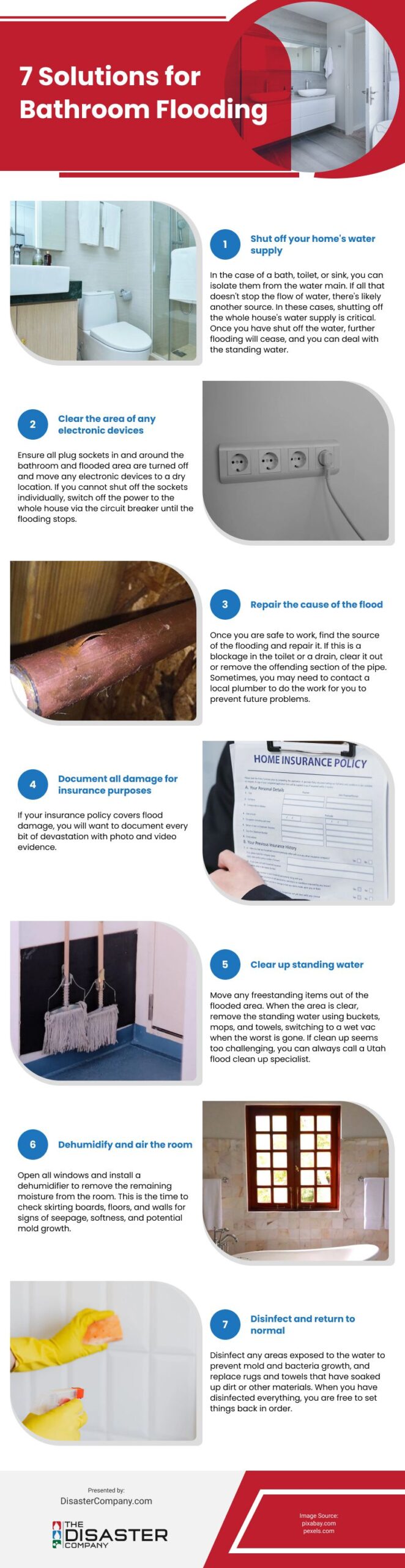
To stop a bathroom water overflow, immediately locate and turn off the main water shut-off valve or the supply valve behind the toilet. Once the flow stops, contact The Disaster Company for professional water damage restoration and cleanup.
What are signs of hidden water damage?
Signs of hidden water damage include persistent musty odors, peeling paint or wallpaper, warped floorboards, visible mold growth, and unexplained increases in your water bill. If you notice these warning signs, contact The Disaster Company for professional inspection.
Does homeowner insurance cover bathroom water leaks?
Homeowner insurance coverage for bathroom water leaks depends on whether the damage was sudden and accidental. Policies typically cover burst pipes, but often exclude maintenance-related issues like slow, long-term leaks or mold growth resulting from neglect.
Additional FAQs for The Disaster Company:
Q: How quickly should I address bathroom water damage in my home?
A: You should address bathroom water damage immediately. Swift action within the first 24–48 hours is critical to prevent structural rot and dangerous mold growth, which can become significantly more expensive to remediate if left untreated.
Q: Does The Disaster Company help with insurance claims for bathroom flooding?
A: Yes, The Disaster Company assists homeowners by documenting the damage, providing professional assessments, and working directly with insurance adjusters to ensure a smoother, more accurate claims process for your bathroom restoration project.
Q: Can I clean up a bathroom flood myself, or do I need professionals?
A: While minor surface spills are manageable, professional intervention is necessary if water has seeped into walls, flooring, or cabinets. The Disaster Company uses industrial-grade equipment to ensure hidden moisture is removed, preventing future mold and structural failure.
Q: Does homeowner insurance cover mold remediation after a bathroom leak?
A: Coverage for mold depends on your specific policy. Most insurers only cover mold if it is a direct result of a sudden, covered peril like a burst pipe. If mold resulted from long-term neglect, it is often excluded.
Q: What are the signs of hidden water damage in my bathroom?
A: Look for peeling paint, warped baseboards, musty odors, or soft spots in the flooring. If you notice these signs, contact The Disaster Company for a professional moisture inspection to prevent extensive hidden damage.
How to prevent mold after bathroom flooding?
Preventing mold after bathroom flooding involves thoroughly drying the area within 24 to 48 hours. Remove all standing water, use dehumidifiers and fans to lower humidity, and disinfect surfaces to eliminate moisture and prevent fungal growth.
Additional FAQs for Location Pages:
Q: What should I do immediately after discovering a burst pipe in my bathroom?
A: Immediately shut off the main water supply to stop the flow. Once the water is off, clear the area of electronics, document the damage for your insurance claim, and contact The Disaster Company for professional restoration.
Q: Is it safe to clean up sewage-related bathroom flooding on my own?
A: No, sewage-contaminated water contains harmful bacteria and pathogens. It is unsafe for homeowners to handle; you should contact The Disaster Company immediately for professional sanitization and specialized cleanup services to ensure your home remains safe.
Q: How long does it take for mold to grow after water damage?
A: Mold can begin to colonize within 24 to 48 hours of water exposure. To prevent rapid growth, you must extract all standing water and thoroughly dry the affected structural materials immediately after a flood occurs.
Q: Does homeowners insurance cover bathroom flooding damage?
A: Most policies cover sudden, accidental water damage, such as a burst pipe. However, coverage varies based on the cause. Always document the damage with photos and contact The Disaster Company to help navigate the restoration process.
Q: Why is professional restoration better than DIY cleanup?
A: Professional restoration ensures hidden moisture is removed from behind walls and under floors. The Disaster Company uses industrial-grade equipment to prevent long-term structural damage and mold growth that DIY methods often miss.
What equipment is needed for water extraction?
The equipment needed for water extraction includes high-powered wet-dry vacuums, submersible pumps for standing water, industrial-grade dehumidifiers, and air movers. For severe bathroom flooding, The Disaster Company uses professional-grade tools to ensure thorough drying and mold prevention.
Can I fix a burst pipe myself?
Fixing a burst pipe yourself is possible for minor leaks if you have the right tools, but professional help is recommended for severe damage to ensure proper restoration and prevent long-term structural issues or mold growth.
Is professional help needed for bathroom restoration?
Professional help is often necessary for bathroom restoration when flooding is extensive, involves sewage, or risks hidden mold growth. The Disaster Company provides expert assessment and remediation to ensure your home is safely and thoroughly restored.
How to dry out a water damaged bathroom?
To dry out a water-damaged bathroom, first remove standing water with a wet-dry vacuum. Then, use industrial dehumidifiers and fans to circulate air, ensuring all surfaces are completely moisture-free to prevent mold growth and structural damage.
How long does bathroom water damage repair take?
The duration of bathroom water damage repair typically ranges from a few days to several weeks, depending on the severity of the flooding, the extent of structural saturation, and the time required for professional drying and mold remediation.
Are there health risks from bathroom water damage?
Yes, bathroom water damage poses significant health risks, as stagnant water quickly harbors harmful bacteria and mold. These contaminants can trigger respiratory issues and infections, making prompt, professional cleanup by The Disaster Company essential for your safety.
How to disinfect a bathroom after flooding?
To disinfect a bathroom after flooding, remove all standing water, clean surfaces with a heavy-duty disinfectant or a bleach solution, and ensure the area is thoroughly dried to prevent dangerous mold growth and bacterial contamination.
Can small leaks cause long term damage?
Small leaks can absolutely cause significant long-term damage. Even minor drips lead to hidden rot, structural decay, and hazardous mold growth over time. Promptly addressing these issues with The Disaster Company prevents costly repairs and ensures your home's safety.
Does water damage lead to mold growth?
Water damage frequently leads to mold growth because moisture creates an ideal environment for spores to thrive. If left untreated, mold can develop within 24 to 48 hours, necessitating professional intervention from The Disaster Company for safe removal.
How to document water damage for insurance?
Documenting water damage for insurance involves capturing detailed photos and videos of all affected areas and damaged belongings before starting cleanup. Keep a written inventory of items and save all repair receipts to support your future claim.
What is the first step during flooding?
The first step during a bathroom flood is to immediately shut off the water supply to prevent further damage. Once the flow is stopped, prioritize your safety by disconnecting electricity before beginning the cleanup and restoration process.
How to detect mold behind bathroom tiles?
Detecting mold behind bathroom tiles involves looking for loose or cracked grout, soft wall areas, persistent musty odors, or visible discoloration around edges. If you suspect hidden growth, The Disaster Company can provide professional inspection and remediation services.
Can fire damage affect bathroom plumbing systems?
Fire damage can significantly affect bathroom plumbing systems by melting plastic pipes, warping metal fixtures, and compromising seals. These heat-related damages often lead to leaks or burst pipes, requiring professional inspection and restoration by The Disaster Company.
What services does The Disaster Company offer?
The services offered by The Disaster Company include comprehensive emergency restoration for water damage, fire damage, and mold remediation. We provide expert cleanup, structural repairs, and professional dehumidification to restore your home safely and efficiently after any disaster.
Additional FAQs for Location-Specific Pages:
Q: How quickly can The Disaster Company respond to a burst pipe in my home?
A: We provide 24/7 emergency response services. Our local team prioritizes rapid arrival to stop water flow, extract standing water, and begin drying your property immediately to prevent further structural damage or mold growth.
Q: Does The Disaster Company assist with insurance claims for fire damage?
A: Yes, we help streamline the insurance process by documenting all fire and smoke damage, providing detailed estimates, and communicating directly with your insurance adjuster to ensure your restoration claim is handled accurately and professionally.
Q: Why is professional mold remediation necessary after a bathroom flood?
A: Professional remediation is essential because mold spores spread rapidly in damp, hidden areas. We use industrial-grade equipment to detect moisture, safely remove contaminated materials, and sanitize the environment to ensure your bathroom is completely mold-free.
How to prevent bathroom pipes from bursting?
Preventing bathroom pipes from bursting involves maintaining consistent temperatures during cold weather, insulating exposed pipes, monitoring water pressure, and scheduling regular professional inspections to identify and repair potential leaks or corrosion before they escalate into major disasters.
Does standing water cause structural floor damage?
Standing water can cause significant structural floor damage by warping wood, weakening subfloors, and compromising joists. If left untreated, this moisture promotes rot and mold growth, necessitating professional intervention from The Disaster Company to ensure complete restoration.
What causes recurring mold in bathrooms?
Recurring mold in bathrooms is typically caused by persistent moisture from poor ventilation, undetected plumbing leaks, or high humidity levels. These conditions create the perfect environment for mold spores to thrive, requiring professional inspection and thorough moisture remediation.
Can water damage cause electrical wiring issues?
Water damage can absolutely cause severe electrical wiring issues. Moisture corrodes connections, shorts out circuits, and creates significant fire or electrocution hazards. If your bathroom has flooded, contact The Disaster Company immediately to ensure your home remains safe.
Additional FAQs for Homeowners:
Q: How quickly does mold grow after a bathroom flood?
A: Mold can begin growing within 24 to 48 hours of water exposure. Swiftly drying the area and using dehumidifiers are essential steps to prevent long-term structural damage and health risks in your home.
Q: Should I document bathroom flood damage before cleaning?
A: Yes, you should always document the damage with photos and videos before starting cleanup. This evidence is crucial for your insurance claim and helps The Disaster Company provide an accurate assessment for professional restoration.
Q: Is it safe to use my bathroom after a minor pipe leak?
A: It is not safe to use the bathroom until the source is repaired and the area is fully disinfected. Hidden moisture can lead to electrical hazards and mold growth, so professional inspection is highly recommended.
Q: What steps should I take if my home experiences fire damage?
A: After a fire, prioritize safety by staying out of the structure until cleared by authorities. Contact The Disaster Company immediately to handle soot removal, structural stabilization, and odor neutralization to prevent further property degradation.
Is professional mold remediation necessary after flooding?
Professional mold remediation is often necessary after flooding because hidden moisture can trigger rapid mold growth. The Disaster Company ensures thorough removal and sanitization, preventing long-term structural damage and health risks that DIY cleaning might miss.
Additional FAQs:
Q: How quickly should I address water damage in my home?
A: You should address water damage immediately. Within 24 to 48 hours, standing water can lead to severe structural decay and dangerous mold growth, making professional intervention from The Disaster Company essential to minimize restoration costs.
Q: Does my insurance policy cover water damage restoration?
A: Most insurance policies cover sudden, accidental water damage, such as a burst pipe. We recommend documenting all damage with photos and contacting your provider immediately; The Disaster Company can assist you throughout the claims process.
Q: What should I do if my home smells like smoke after a fire?
A: If your home smells like smoke, avoid DIY cleaning, which can spread soot. Contact The Disaster Company for professional smoke and odor removal, as specialized equipment is required to neutralize particles trapped in your walls and ventilation.
Q: Is it safe to stay in my home after a fire?
A: It is often unsafe to remain in a home after a fire due to structural instability, toxic soot, and poor air quality. Have The Disaster Company inspect your property to ensure it is safe for re-entry.
How to dry wall after bathroom leaks?
Drying walls after bathroom leaks involves removing standing water, utilizing industrial dehumidifiers, and ensuring proper ventilation. If the wall material remains saturated or shows signs of mold, contact The Disaster Company for professional restoration to prevent structural damage.
Does bathroom flooding require immediate professional cleanup?
Immediate professional cleanup for bathroom flooding is highly recommended. Swift intervention by The Disaster Company prevents structural damage, inhibits dangerous mold growth, and ensures your home is safely restored, protecting your property from long-term, costly complications.
How to handle sewage leaks in bathrooms?
Handling a sewage leak in your bathroom requires immediate caution. Evacuate the area, shut off the water, and avoid contact with waste. Because sewage contains hazardous pathogens, contact The Disaster Company immediately for professional, safe, and sanitary restoration.
What materials are best for bathroom restoration?
The best materials for bathroom restoration are moisture-resistant options like porcelain or ceramic tile, waterproof luxury vinyl plank, and mold-resistant drywall. These durable choices effectively prevent future water damage and inhibit mold growth in high-humidity bathroom environments.
Additional FAQs:
Q: How quickly should I address water damage in my home?
A: You should address water damage immediately, ideally within 24 to 48 hours. Swift action by The Disaster Company prevents structural rot and stops toxic mold colonies from spreading throughout your property.
Q: Does my insurance cover professional fire damage restoration?
A: Most homeowners' insurance policies cover professional fire damage restoration, provided the damage is accidental. We assist you by documenting all losses and coordinating with your insurance provider to ensure a smooth, stress-free recovery process.
Q: What are the signs of hidden mold after a flood?
A: Signs of hidden mold include persistent musty odors, visible dark spots on walls, or unexplained respiratory issues. If you suspect mold, The Disaster Company provides professional inspection and remediation services to ensure your home remains safe.
Can dehumidifiers stop mold after water damage?
Dehumidifiers help prevent mold after water damage by reducing excess moisture in the air. While they are essential for drying, they should be paired with professional cleaning to fully eliminate spores and ensure your bathroom is restored safely.
How does smoke damage impact bathroom fixtures?
Smoke damage impacts bathroom fixtures by causing corrosive etching, permanent discoloration, and lingering odors. Acidic soot residues can quickly degrade metal finishes and porous surfaces, often requiring professional cleaning or replacement to restore the area’s safety and aesthetics.